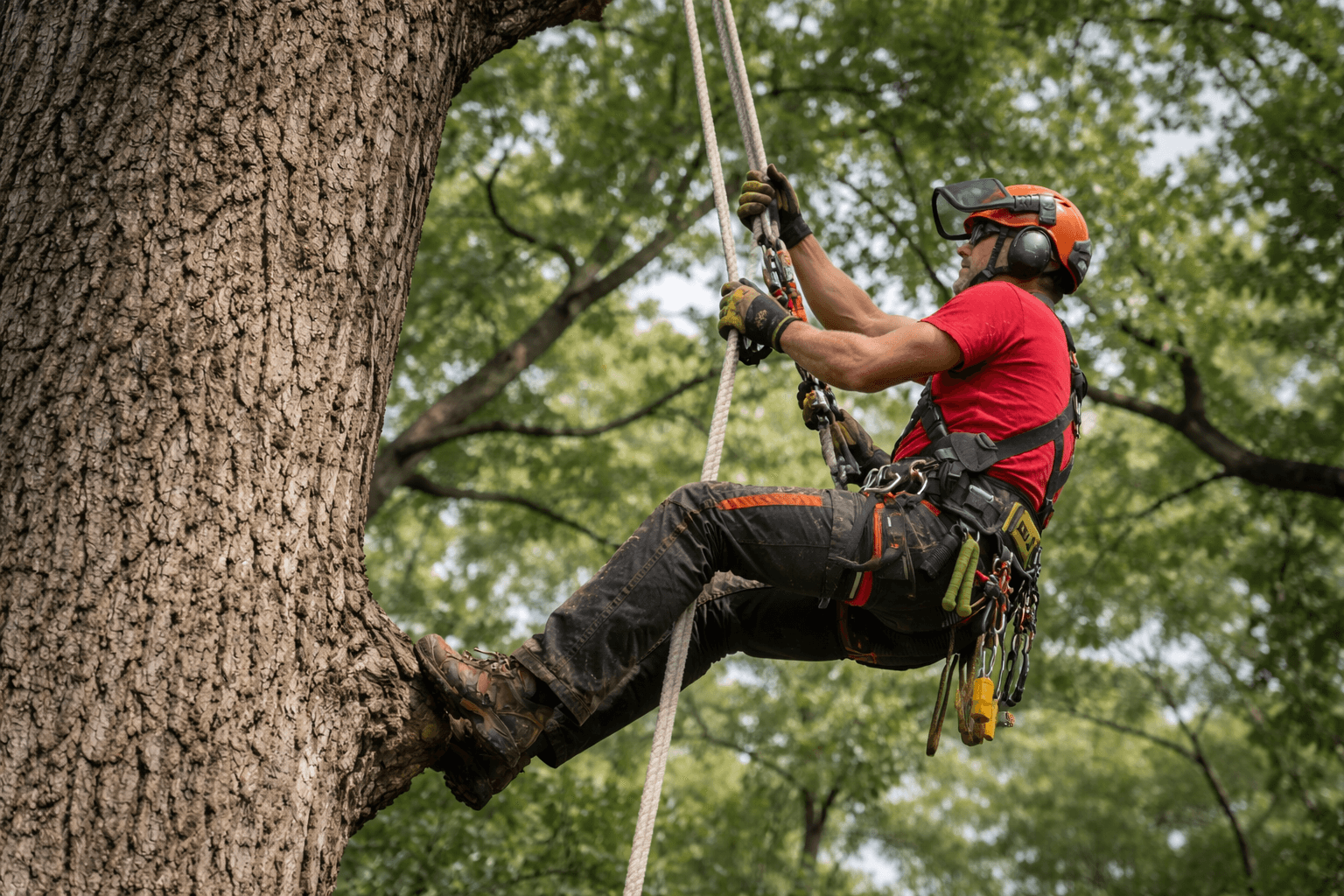
I’ve spent 15 years hanging from ropes, and I’ve seen the industry change from old-school hip-thrusting to the high-tech precision we have in 2026. If you’re still arguing about whether SRT (Stationary Rope Technique) or DdRT (Doubled Rope Technique) is better, you’re missing the point. It’s about having the right tool for the specific canopy you’re facing. To get the job done safely and avoid “Low value” mistakes, you need to master the best SRT climbing devices 2026 has to offer.
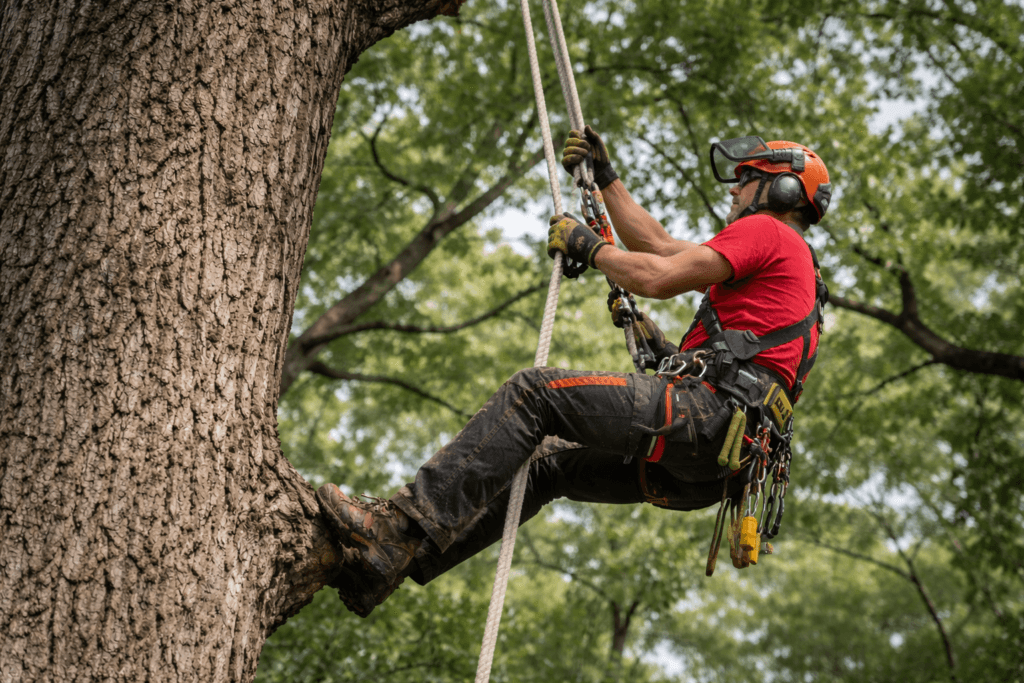
The Modern Shift: Why SRT Dominates Large Canopies
In my experience, when you’re staring up at a 100-foot sprawling Oak, SRT is your best friend. Unlike DdRT, where you’re fighting friction at the tie-in point, SRT gives you a 1:1 mechanical advantage that saves your knees and back. But it’s not just about speed; it’s about following OSHA safety standards and ISA protocols. 2026 demands that we use stationary systems that allow for rapid ascent and stable work positioning.
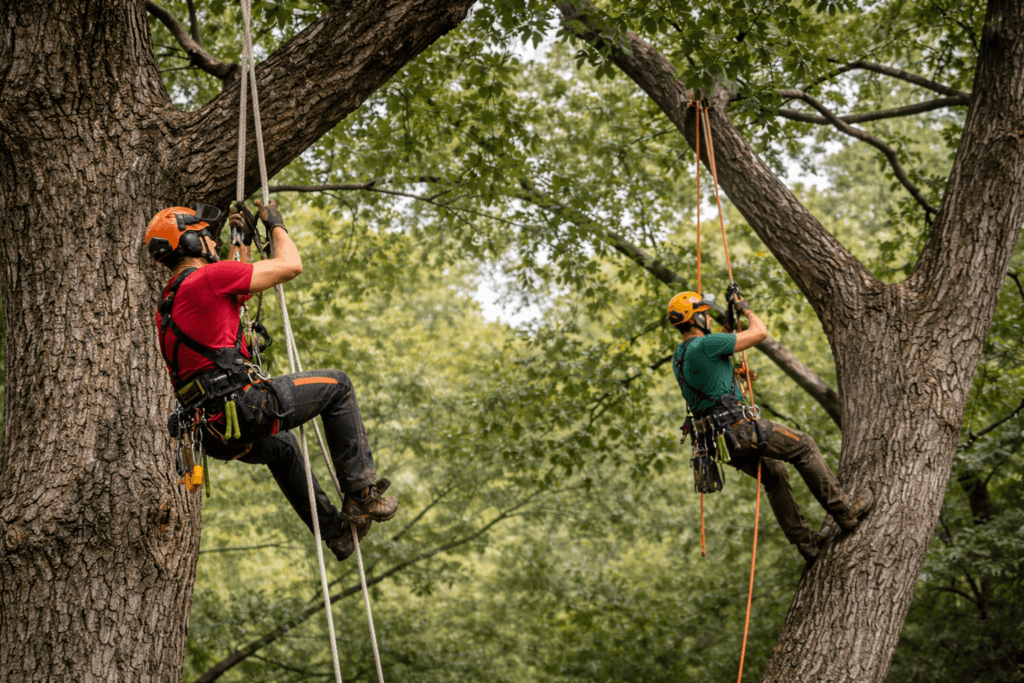
Top 5 Climbing Devices for 2026
Choosing the best SRT climbing devices 2026 means looking for reliability and smooth friction management. Here is what I’m running in my gear bag this year:
- The Akimbo: My go-to for versatility. It handles different rope diameters without swapping parts, making it a beast for technical removals.
- Rope Wrench with Apex Pulley: Still the gold standard for many. It provides that familiar “hitch feel” while giving you the benefits of a stationary line.
- The ZigZag Plus (with Chicane): Petzl really stepped up the game in 2026. The movement is fluid, and it complies perfectly with latest rigging safety standards.
- The Bulldog Bone: For the climbers who want a compact, rock-solid device that doesn’t quit when the sap starts flying.
- Singing Tree Rope Runner Pro: It’s an engineered masterpiece. The ergonomics on this are designed for long days in the canopy.
Technical Execution: Rigging and Dismantling
When we talk about the best SRT climbing devices 2026, we have to talk about how they perform during a dismantle. In a technical tree removal, your device needs to allow for precise “micro-adjustments.”
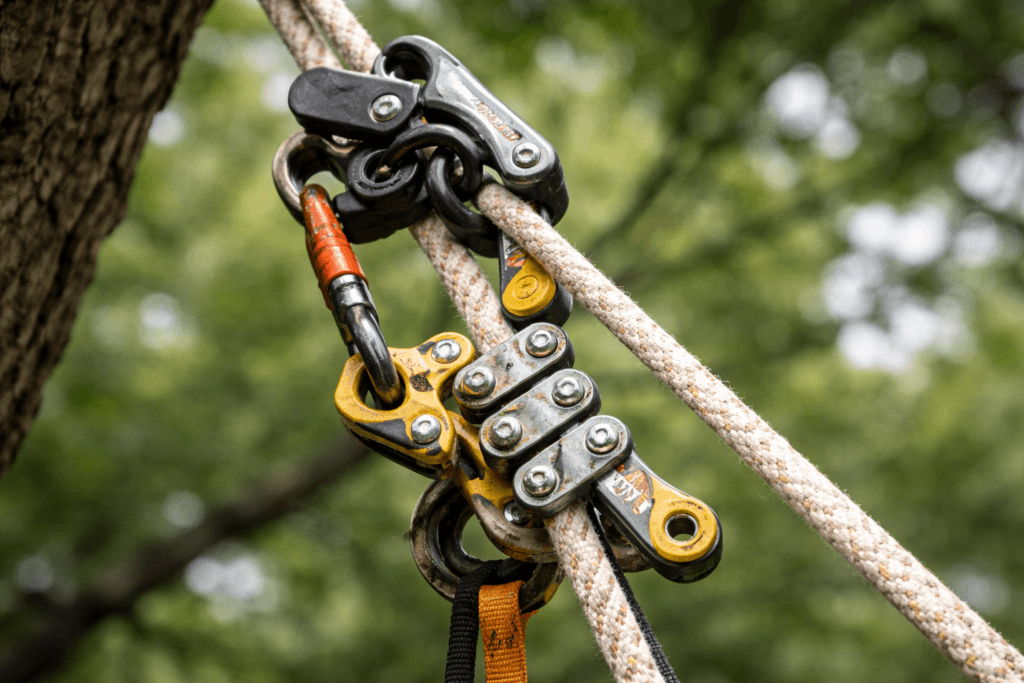
- Work Positioning: SRT devices allow me to limb-walk with much more stability than DdRT, especially when I’m out on the tips of long, heavy branches.
- Directional Felling Support: While the ground crew handles the 5:1 rigging system, the climber needs to be able to bail or reposition instantly. Stationary systems provide that immediate exit path.
- Rigging Control: A good device doesn’t just help you go up; it manages your descent while you’re managing heavy timber sections.
Safety Standards: OSHA and ISA Compliance
I don’t care how fast you are; if you aren’t compliant, you aren’t a pro. In 2026, OSHA standards require a redundant safety system when using mechanical devices. ISA protocols emphasize the importance of “tie-in-twice” whenever the saw is running. Using the best SRT climbing devices 2026 makes it easier to stay within these lines because they reduce climber fatigue, which is the leading cause of accidents in our trade.
Final Verdict
DdRT still has a place for simple pruning, but for large canopy access and heavy rigging, SRT is the king. Investing in the best SRT climbing devices 2026 isn’t just a gear upgrade—it’s an investment in your career longevity. Keep your ropes clean, your hitches tight, and always respect the physics of the tree.
1 thought on “5 Best SRT Climbing Devices 2026: Expert Arborist Guide”