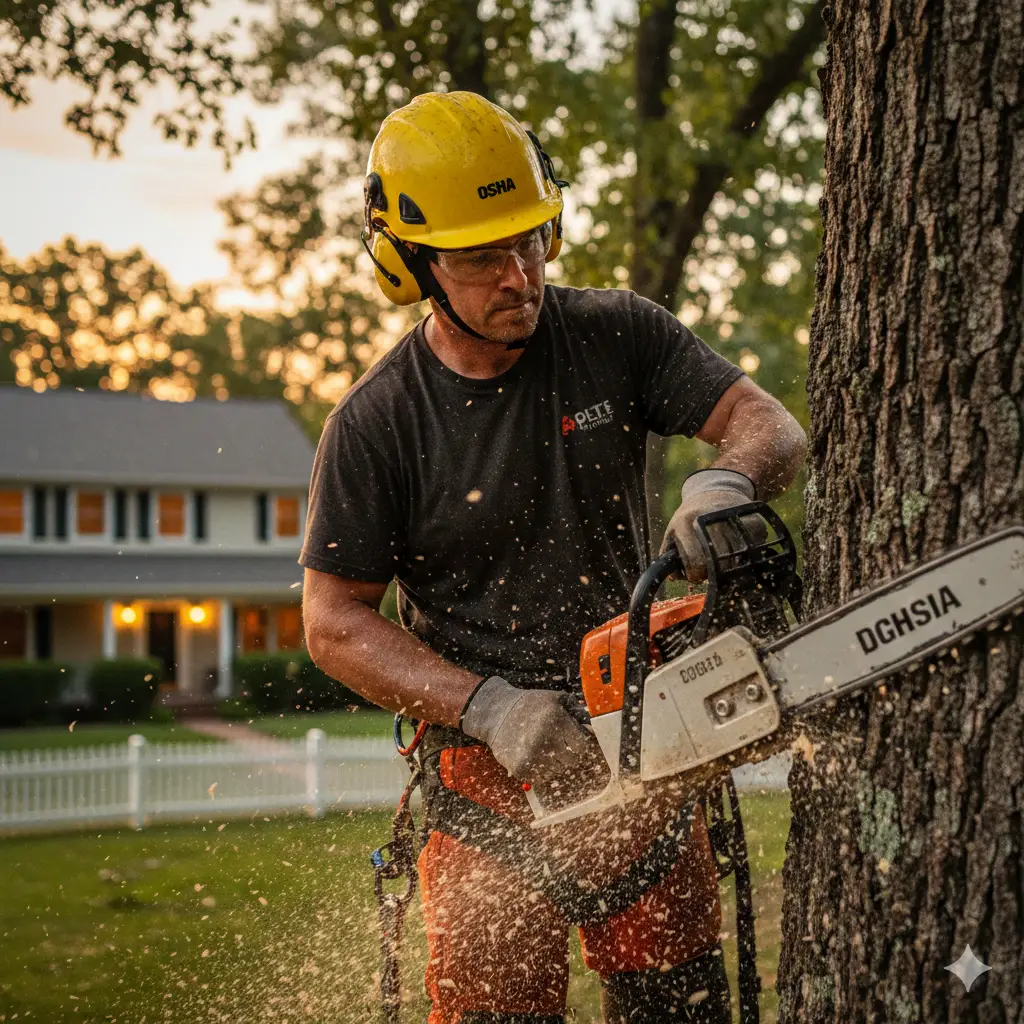
I’ve been doing tree removal for over 15 years, and I’ll say this upfront—tree removal is not guesswork, and it’s definitely not a side hustle. It’s dangerous, technical, and unforgiving. Every cut matters. Every decision matters. One mistake can cost a house, a limb, or a life.

This article is written from the ground, not a desk. I’m going to walk you through tree removal the way it’s actually done in the U.S.—with experience, grit, and strict safety standards. No polished sales talk. Just reality.
Table of Contents
What Tree Removal Really Is (And What It’s Not)
A lot of people think tree removal is just firing up a chainsaw and dropping a tree. That mindset is exactly why accidents happen.
Professional tree removal is:
- Risk management
- Controlled cutting
- Load and weight understanding
- Crew coordination
- Safety-first execution
Tree removal is closer to controlled demolition than landscaping. Gravity doesn’t forgive bad judgment.
When Tree Removal Becomes Necessary
I don’t believe in removing trees without cause. Trees have value—but unsafe trees are liabilities.
Common reasons for tree removal:
- Dead or dying trees
- Internal rot or hollow trunks
- Storm or lightning damage
- Trees leaning toward homes or power lines
- Root systems damaging foundations
- Land clearing for construction
Delaying tree removal often makes the job more dangerous and more expensive.
Tree Removal Is High-Risk Work—Period
Tree work consistently ranks as one of the most dangerous jobs in America. That’s why I follow OSHA rules on every tree removal job, no exceptions.
OSHA standards aren’t red tape—they’re written in blood.
OSHA safety rules I live by:
- Chainsaw chaps, helmets, gloves, eye and ear protection
- Clear drop zones with no bystanders
- Proper climbing and fall protection
- Daily equipment inspections
- No cutting aloft without training and backup
If a crew ignores OSHA, they’re not professionals—they’re liabilities.
ISA Standards: How Real Arborists Work
Alongside OSHA, I follow guidelines from the International Society of Arboriculture (ISA). ISA standards separate trained arborists from guys with saws.
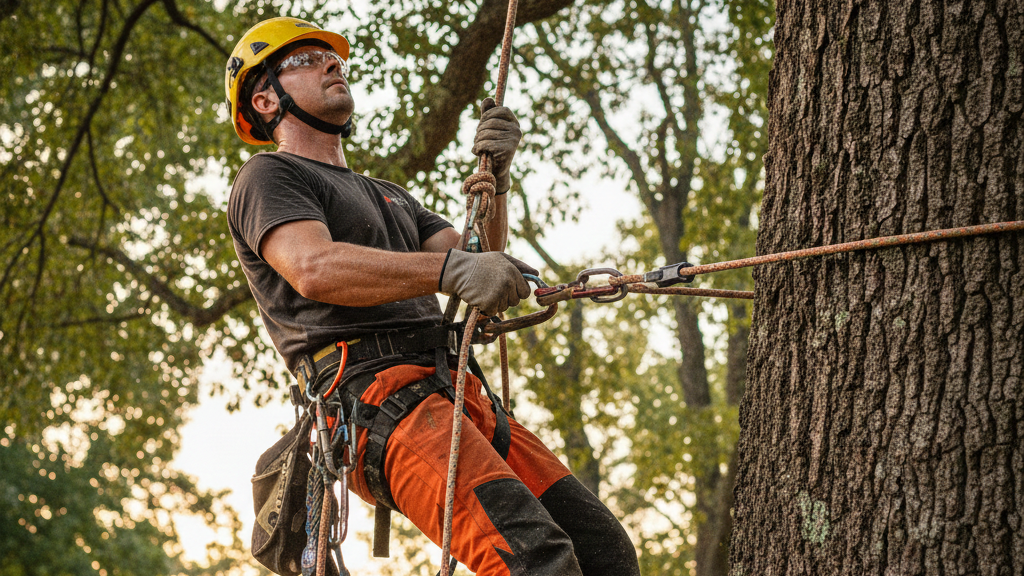
ISA-based tree removal principles:
- Understand tree structure and biology
- Identify load paths and failure points
- Use proper cutting techniques
- Protect surrounding trees and soil
- Minimize unnecessary damage
Tree removal isn’t just about today—it’s about not creating tomorrow’s problems.
My Tree Removal Process (Start to Finish)
After 15 years, I don’t improvise. I follow a proven system that keeps people safe.
Step 1: Tree and Site Assessment
Before any cut, I evaluate:
- Tree height, diameter, and lean
- Visible cracks, rot, or deadwood
- Wind direction and weather
- Nearby structures and utilities
- Access for equipment and escape routes
Good tree removal starts with smart planning.
Step 2: Safety Setup
Tree removal is team work.
I make sure:
- Drop zones are clearly marked
- Crew roles are assigned
- Hand signals and communication are clear
- No unnecessary people are nearby
No shortcuts. Ever.
Step 3: Sectional Tree Removal (Most Common)
In residential areas, most tree removal is done in sections.
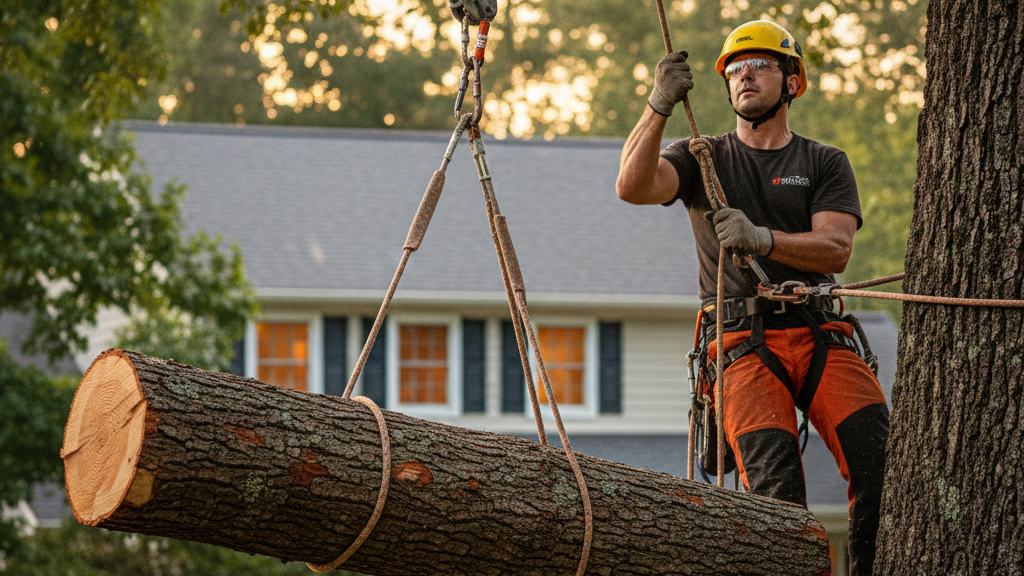
This includes:
- Climbing or lift access
- Rigging limbs with ropes and friction devices
- Controlled lowering of heavy wood
- Precision cuts to avoid shock loads
This is where experience keeps houses standing.
Step 4: Ground Felling (When Space Allows)
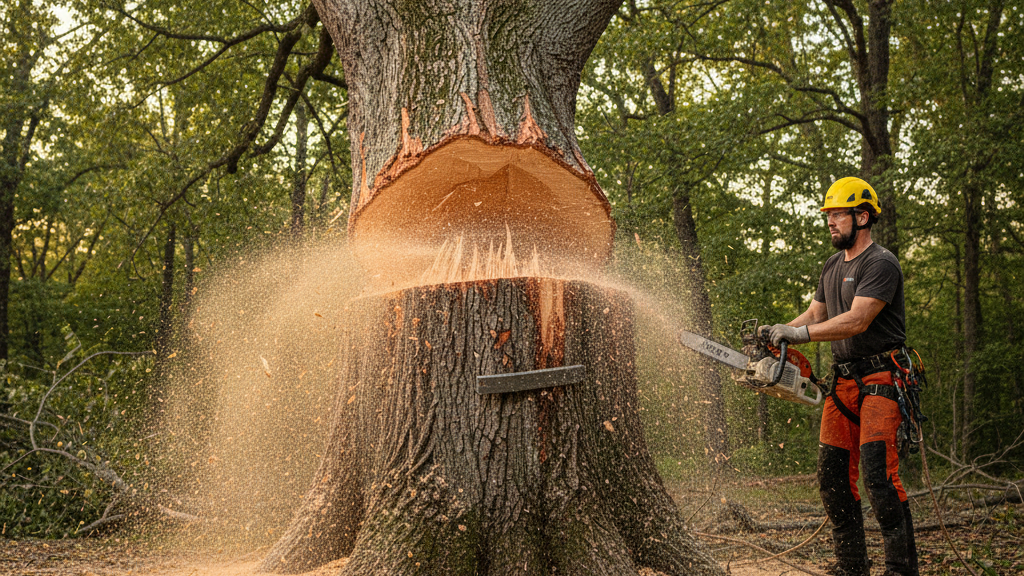
If there’s enough room, I’ll fell the tree from the ground using:
- Proper face notch
- Controlled back cut
- Strong hinge wood
- Planned fall direction and escape path
Even open-space tree removal can go wrong without skill.
Step 5: Cleanup and Final Check
Tree removal isn’t finished until:
- Debris is cleared or stacked safely
- The site is left hazard-free
- The property looks better than before
A professional job leaves no mess and no danger.
Tree Removal Mistakes I See All the Time
I’ve been called to fix failed tree removal jobs more times than I can count.
Common mistakes:
- Ignoring tree lean and weight distribution
- No rigging near structures
- Cutting without escape routes
- No insurance coverage
- Zero knowledge of OSHA or ISA standards
These mistakes cost real money—and sometimes lives.
Why Professional Tree Removal Costs More
Good tree removal isn’t cheap, and it shouldn’t be.
You’re paying for:
- Experience and training
- Safety equipment
- Insurance protection
- Specialized tools
- Time spent planning the job
Cheap tree removal usually means someone is cutting corners—literally.
Legal and Liability Risks of Tree Removal
Here’s something most homeowners don’t realize: you can be held responsible if tree removal goes wrong on your property.
If an uninsured worker gets hurt or a tree damages a neighbor’s house, that liability can land on you.
Always verify:
- Insurance
- Experience
- Safety practices
Tree removal is not the place to gamble.
Final Word From the Field
After 15 years, I still respect every tree removal job. Trees are heavy, unpredictable, and unforgiving. That’s why I rely on OSHA rules, ISA standards, and real-world experience—not luck.
If you need tree removal, hire someone who:
- Takes safety seriously
- Understands tree behavior
- Has done this work for years, not weekends
That’s how tree removal gets done the right way.
1 thought on “Tree Removal: Real-World Truth From a Professional Arborist”