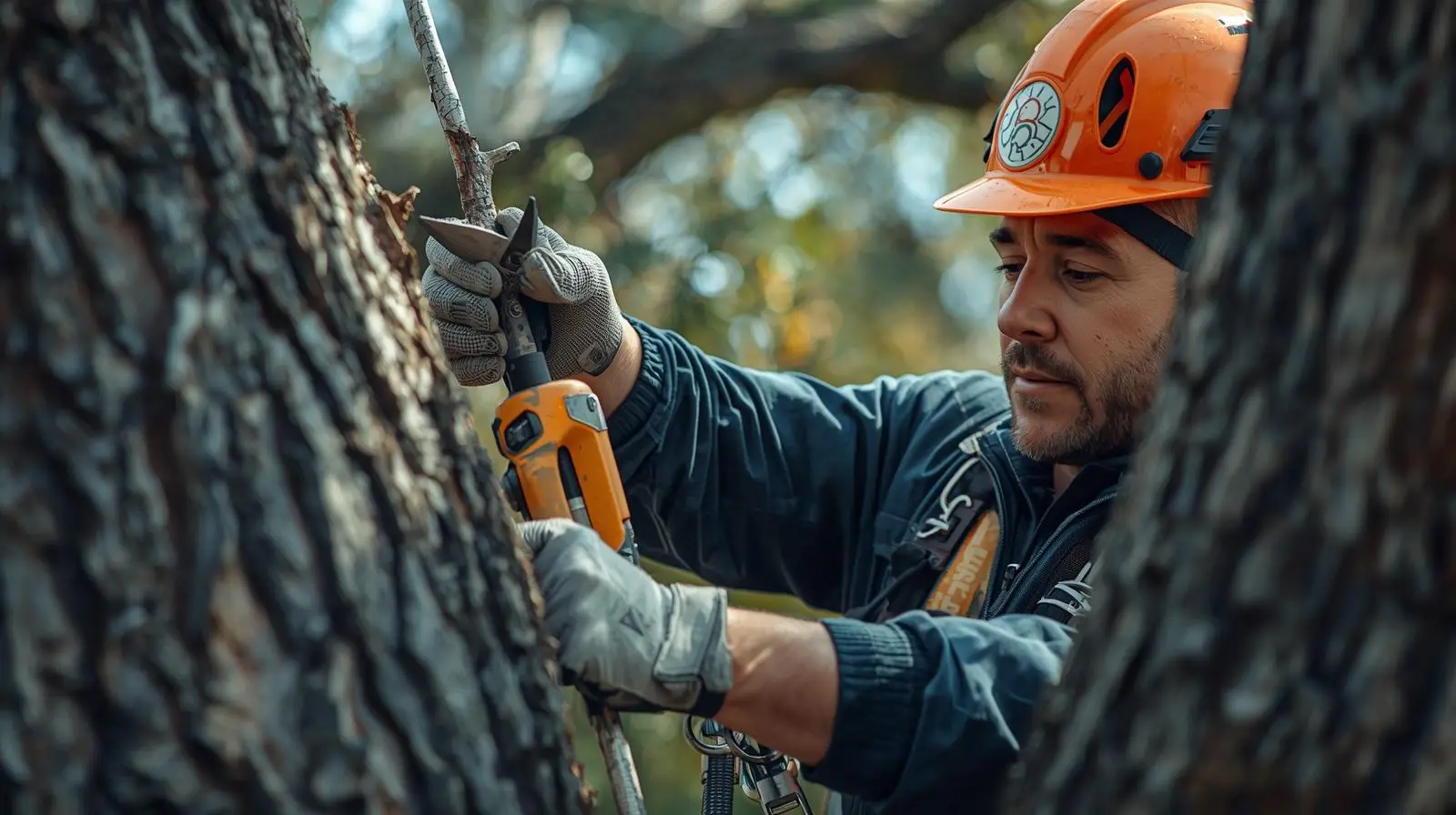
Tree pruning is often misunderstood as simple cutting or shaping, but in reality, it is a critical practice that directly impacts tree health, safety, and longevity. When done correctly, pruning strengthens trees, improves structure, and reduces long-term risks. When done incorrectly, it can permanently damage a tree or even create dangerous conditions.
This guide shares seven essential tree pruning secrets used by professional arborists, explained in a clear and practical way. Whether you are a beginner learning about tree care or someone looking to understand proper pruning methods, this article focuses on education, awareness, and best practices rather than services or sales.
According to the International Society of Arboriculture (ISA), proper pruning techniques play a critical role in maintaining long-term tree health and structural safety.
Table of Contents
Why Proper Tree Pruning Matters
Tree pruning is not about cutting as much as possible—it is about cutting with purpose. Healthy pruning improves airflow, allows sunlight to reach inner branches, and removes weak or hazardous growth. Over time, this results in stronger trees with balanced canopies and reduced risk of failure during storms.
Professional arborists view pruning as preventive care, not a cosmetic task.
Primary benefits of proper tree pruning include:
- Improved structural strength
- Better long-term tree health
- Reduced safety hazards
- Controlled and natural growth patterns
Secret 1: Timing Is Everything in Tree Pruning
One of the most common mistakes in tree pruning is cutting at the wrong time of year. Arborists understand that timing directly affects healing and future growth.
For most trees, the best pruning period is late winter to early spring, when the tree is dormant. During this phase:
- Energy loss is minimal
- Wounds heal more efficiently
- New growth responds positively
Pruning during active growth or extreme weather can stress the tree and increase disease risk.
Best time for tree pruning, seasonal tree pruning
Secret 2: Remove Dead and Diseased Branches First
Professional pruning always starts with problem branches.
Dead, damaged, or diseased limbs:
- Drain energy from healthy parts of the tree
- Increase the risk of decay spreading
- Create potential safety hazards
Removing these branches first improves overall tree vitality and creates a clean foundation for further pruning decisions.
This step is essential for maintaining long-term tree health.
Secret 3: Never Over-Prune a Tree
Over-pruning is one of the most damaging practices in tree care. A professional rule followed by arborists worldwide is simple:
Never remove more than 25% of a tree’s canopy at one time.
Excessive pruning can:
- Weaken the tree’s structure
- Trigger uncontrolled growth
- Increase vulnerability to pests and disease
Healthy pruning focuses on balance, not aggressive cutting.
Over pruning risks, safe pruning limits
Secret 4: Use Correct Cutting Techniques
Where and how you make a cut matters more than how much you cut.
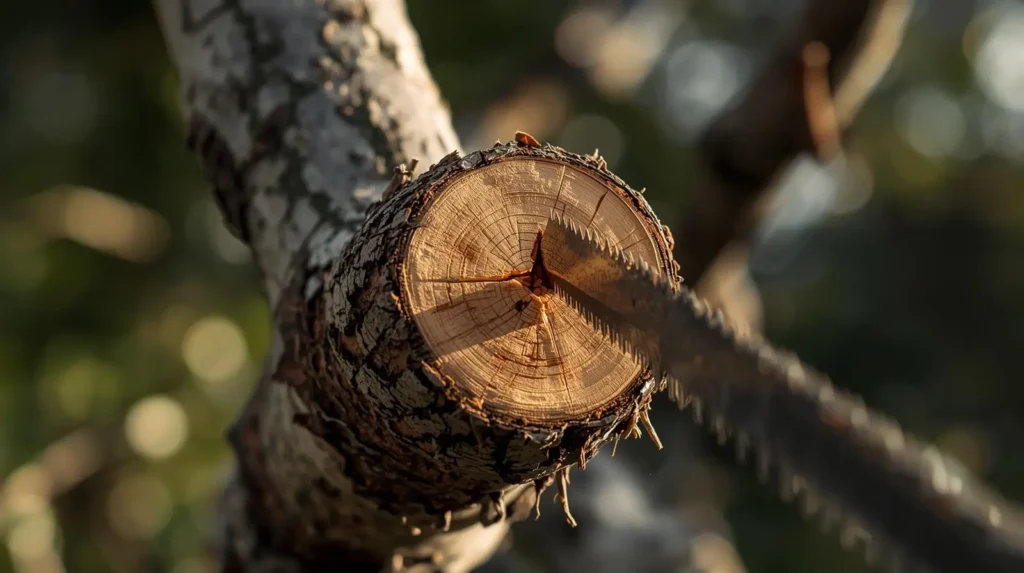
Professional arborists:
- Cut just outside the branch collar
- Avoid flush cuts and torn bark
- Use clean, sharp tools
Proper cutting techniques help trees heal naturally and reduce the risk of decay entering the trunk.
Poor cutting habits can cause long-term structural damage that may not be visible immediately.
Secret 5: Respect the Tree’s Natural Structure
Every tree has a natural growth pattern. Effective pruning works with the tree, not against it.
Key structural considerations include:
- Preserving the central leader
- Removing crossing or rubbing branches
- Correcting weak branch angles
This approach improves stability and reduces breakage during strong winds or storms.
Tree structure pruning, arborist pruning techniques
Secret 6: Safety Is a Non-Negotiable Priority
Tree pruning involves risks, especially when working at height or near power lines. Professional arborists prioritize safety through preparation and awareness.

Important safety principles include:
- Wearing protective equipment
- Assessing risks before cutting
- Using appropriate tools and access methods
The USDA Forest Service tree pruning guidelines emphasize avoiding improper cuts to prevent disease, decay, and long-term damage.
Unsafe pruning practices can lead to serious injuries or accidents. Knowledge and caution are essential.
Secret 7: Regular Pruning Builds Long-Term Tree Health
Tree pruning is not a one-time activity. Healthy trees benefit from consistent, light maintenance over time rather than heavy cutting all at once.
Regular inspections help identify:
- Early signs of disease
- Structural weaknesses
- Growth imbalances
Routine pruning minimizes the need for major corrective work in the future.
Regular tree maintenance, long term tree health
Long-Term Benefits of Proper Tree Pruning
When pruning is done correctly and consistently, trees reward that care with:
- Improved resilience
- Balanced growth
- Reduced safety risks
- Enhanced natural appearance
Tree pruning is an investment in both environmental health and safety awareness.
Quick Tips for Beginners
- Learn before making cuts
- Start with small adjustments
- Avoid aggressive pruning
- Observe how trees respond over time
- Always prioritize safety
Disclaimer
This article is intended for educational and informational purposes only. Tree pruning involves inherent risks. Proper training, equipment, and safety precautions are essential before attempting any practical work.
Healthy trees begin with informed decisions and responsible knowledge.
3 thoughts on “7 Essential Tree Pruning Secrets | Arborist Guide 2026”