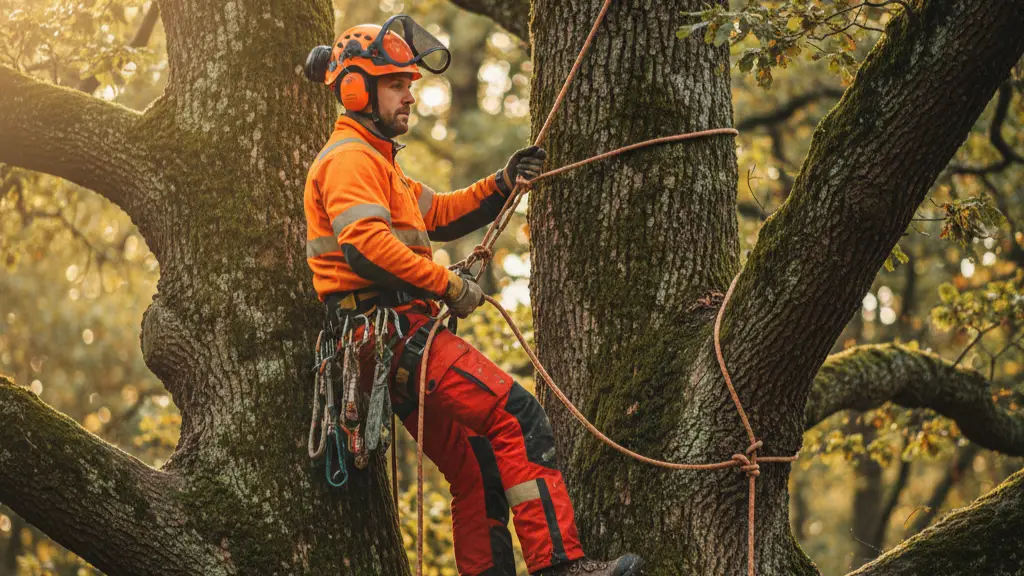
Tree work isn’t a hobby. It’s not “landscaping.” It’s high-stakes physics performed fifty feet in the air with a spinning chain of razor-sharp teeth inches from your jugular. If you treat this job like a walk in the park, the park is eventually going to bury you. Every year, good men and women don’t come home because they got complacent. They thought they knew the lean of the wood, or they trusted a rope that should have been retired three seasons ago. In this business, gravity doesn’t give warnings, and mistakes are written in hospital bills—or worse.
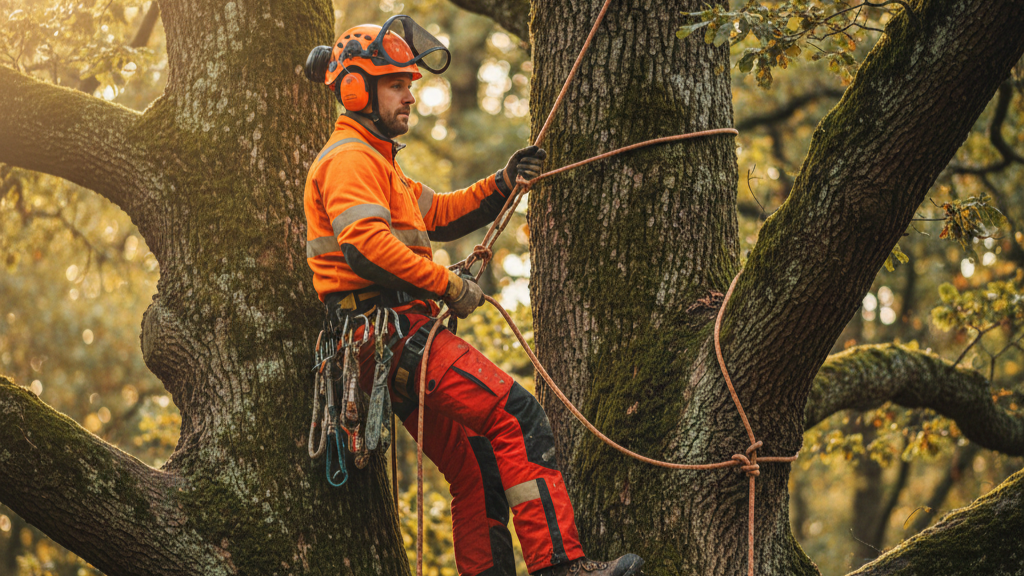
Table of Contents
1. The Gear is Your Life Support
Your PPE (Personal Protection Equipment) isn’t a suggestion. It’s the only thing standing between you and a life-altering injury. If you’re too “tough” for gear, you’re too stupid for the job.
- The Lid: If you’re on the ground or in the air, you wear a helmet. Period. Deadwood—often called “widowmakers”—doesn’t knock before it falls. A three-pound limb falling from forty feet has enough kinetic energy to crack a skull like an egg.
- Chaps and Chainsaw Pants: Most chainsaw injuries happen to the legs. Modern ballistic nylon fibers are designed to jam a sprocket in milliseconds. If you’re running a saw without them, you’re gambling with your femoral artery.
- Eye and Ear Protection: You need your vision to see the rigging, and you need your hearing to catch the “crack” of a failing limb. Use high-quality muffs and Z87+ rated glasses.
2. The Ground Rules: Where the Real Danger Lurks
People think the climber is the one in the most danger. They’re wrong. The ground crew is often at higher risk because they get comfortable. They forget they’re standing in a “drop zone.”
Establish the Drop Zone
The area under the tree is a kill-zone. It should be clearly marked, and communication must be constant. We use a “Command and Response” system. The climber yells “Stand clear!” or “Drop!” and doesn’t let go until the ground crew yells back “Clear!” If you hear a saw scream and then silence, you don’t just walk under the tree. You wait for the signal.
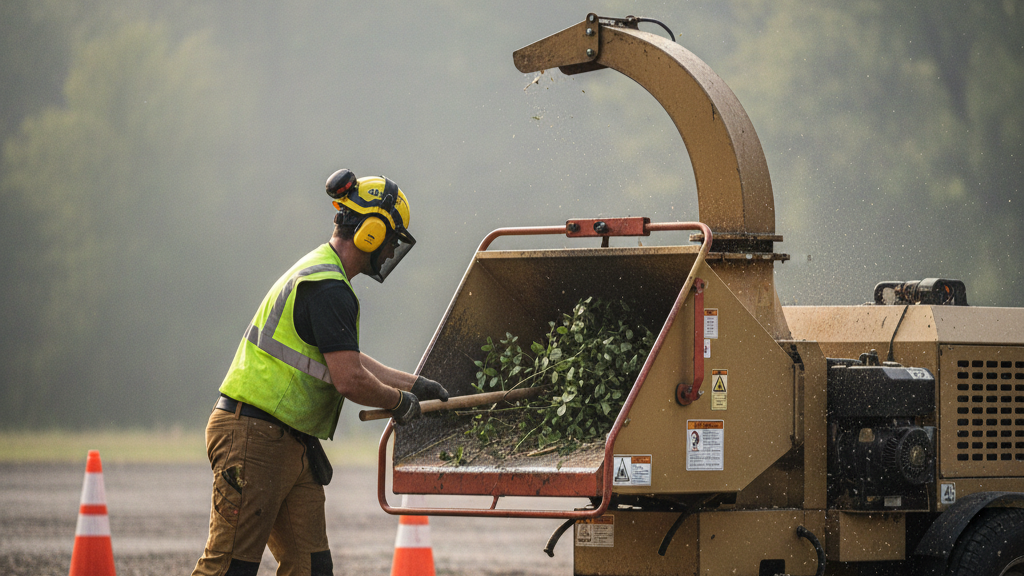
The Chipper: The Wood-Hungry Beast
A brush chipper doesn’t know the difference between an oak limb and your arm. Never, ever reach into the hopper. Use a push-stick. If you’re wearing loose clothing or jewelry, stay ten feet back. The chipper is the most unforgiving piece of equipment on the job site; respect it or it will eat you.
3. Climbing and Rigging: Physics in Motion
When you leave the ground, you are entering a world of forces you can’t see but will definitely feel. Tree work safety in the canopy is about managing those forces.
The Tie-In Point (TIP)
Your life hangs on your TIP. If you pick a dead crotch or a weak species like Willow or Silver Maple without double-checking the structural integrity, you’re asking for a freefall. Always test your weight on your line while you’re still low to the ground.
The Rule of Two
Always have two points of attachment when you’re cutting. Whether it’s your climbing line and a flip-line (lanyard), you need redundancy. If your saw slips and nicks one line, the second one keeps you from hitting the deck.
4. Chainsaw Mastery: Respect the Teeth
A chainsaw is a tool, but it’s also a weapon.
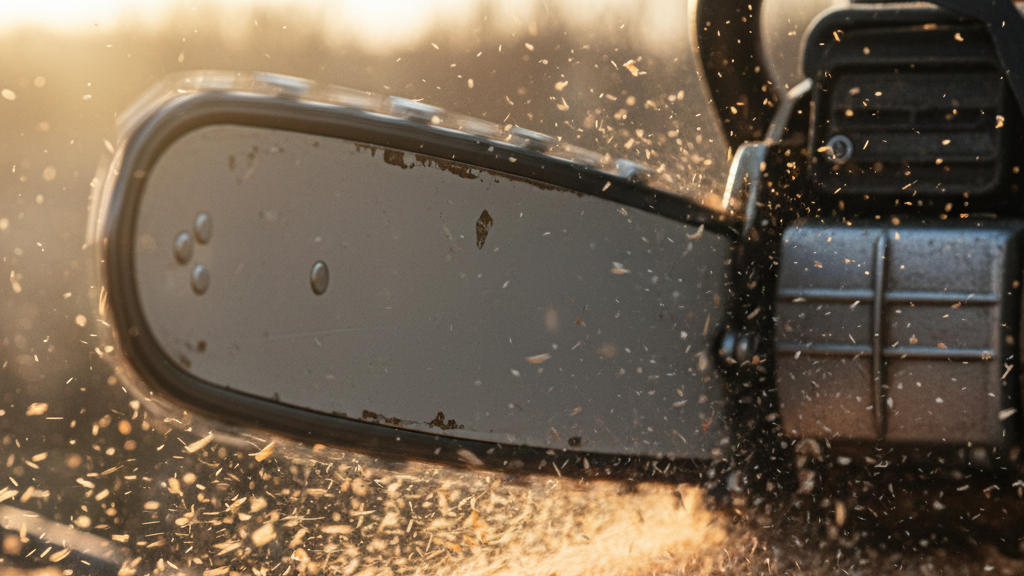
- Kickback Zone: Never cut with the upper tip of the bar. That’s the kickback zone. If those teeth grab, the saw will pivot toward your face faster than human reflexes can react.
- Two-Handed Grip: I don’t care how strong you think you are; keep both hands on the saw. One-handing a top-handle saw is a shortcut to the emergency room.
- The Drop Start: Don’t do it. It’s unstable. Start the saw on the ground or firmly between your legs (if you’re on the ground) or with the brake engaged if you’re in the bucket.
5. Electrical Hazards: The Silent Killer
Trees conduct electricity. You don’t even have to touch a power line to die; electricity can “arc” across a gap if the voltage is high enough. This is where OSHA 1910.269 comes into play. If a tree is within ten feet of a power line, it is a High-Voltage Zone.
Unless you are an EHAP (Electrical Hazards Awareness Program) certified line-clearance arborist, you stay away. It takes one wet leaf touching a wire to turn the entire trunk into a conductor. You won’t feel a tingle; you’ll just stop breathing.
6. Rigging Loads and Forces
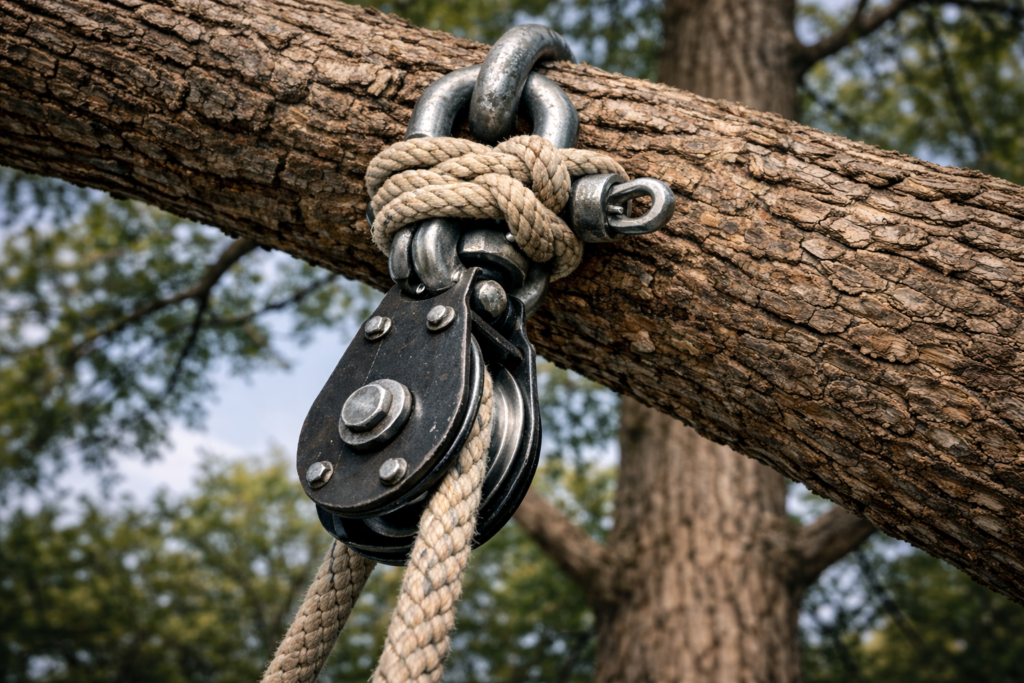
Rigging isn’t just tying knots; it’s calculating weight. A green log can weigh hundreds of pounds. When that weight drops and hits the end of the rigging line, the force is multiplied. This is called shock loading. If your rope or your hardware isn’t rated for that force, the system fails, and logs go flying where they shouldn’t. Never guess the weight—know it.
7. Weather and Fatigue: The Invisible Enemies
The weather doesn’t care about your deadline. High winds turn a controlled drop into a random gamble. Rain makes bark slick and ropes heavy. If the wind is gusting over 25 mph, get out of the tree.
Fatigue is just as dangerous. Most accidents happen after 2:00 PM when the crew is tired, hungry, and “just wants to get the job done.” That’s when you skip a safety check. That’s when you forget to set the brake. When you’re tired, you’re stupid. Recognize it, take a breather, and stay sharp.
8. The Professional Mindset
At the end of the day, safety is a culture, not a checklist. It’s about looking out for your brothers and sisters on the crew. If you see someone doing something “cowboy,” call them out. There’s no room for egos in the canopy. We all go home in one piece, or the job wasn’t a success.
Stay grounded in your training, keep your gear maintained, and never stop learning. The day you think you know everything about a tree is the day the tree proves you wrong.